
How to Check Criminal History in Nashville
Begin a Nashville criminal record check with the event, not with a broad name search. Nashville Police is the first source for a city officer's report. The Howard County sheriff channel holds local booking data. Once charges are filed, Search ARCourts identifies the court and case number. A state history serves a different purpose and does not replace either source.
- Use the official city site to reach Nashville Police when a city officer created the report.
- Describe the incident, date range, location, and exact record sought.
- Search Search ARCourts for a filed city, district, or circuit case.
- Use the sheriff app or office contact for a recent county booking.
- Use ARCH or the proper Arkansas State Police process for an official state history.
Nashville County-Seat Record Hub
Nashville's role as Howard County seat shapes access. A police event can start within city government, while a later booking, felony filing, or clerk request points to a county office in the same community. That proximity does not merge the files. Nashville Police controls its incident report. The sheriff controls county custody data. Circuit and District Court clerks control their own dockets and official copies.
Ask which office made the document before asking where Nashville criminal records are stored. A police report will not automatically appear as a court document. A docket will not reproduce an officer's full narrative. A booking can exist before charges are filed, and its later absence from a roster does not erase the source record.
The Nashville Police Department
Nashville Police Department is the source for city incident reports, offense reports, citations, and arrest narratives made by its officers. No verified police report portal, downloadable form, fee schedule, office hours, or direct records-unit contact was located in the research. Use the City of Nashville's current government route rather than guessing at an address or phone number.
A useful request identifies the event with an approximate date, location, known names, and a clear document description. Ask about copy cost before requesting a large file. Arkansas law can permit redaction of victim details, juvenile information, medical data, sealed content, and active-investigation material. If another agency made the arrest, request its report there.
Nashville Police Department
City incident reports, offense reports, citations, and city-officer arrest reports.
Keep the request tied to Nashville Police jurisdiction. A report made by a sheriff's deputy belongs with the Sheriff's Office, while a trooper report belongs with Arkansas State Police. The agency named on a citation, booking entry, or docket can help identify the right custodian. If the city finds no responsive record, check whether the event occurred outside city limits or was handled by another agency before concluding that no report exists.
Nashville Reports Versus Court Dockets
A Nashville police report records what an officer documented. A court docket records what happened after a charge reached court. Prosecutors can revise, add, or decline charges, so descriptions can differ. A citation may create a lower-court case without booking. A custodial arrest can create booking data before any case appears online.
| City police report | Court docket |
|---|---|
| Created by Nashville Police | Created after a court filing |
| Describes the event and initial action | Lists charges, hearings, orders, and outcome |
| Requested through the city | Searched in Search ARCourts and verified with the clerk |
| May exist without prosecution | Exists only after a court matter opens |
Use the court's final disposition for the legal outcome. Request the city report for the officer's account, subject to lawful redactions.
Arrests and Bookings in Nashville
A Nashville arrest can create at least three records. Nashville Police writes the report when its officer acts. County custody creates a booking. A prosecutor's filing creates the case. Research does not establish a separate city holding facility or a public Nashville blotter, so readers should not assume either exists. For local custody, use the Howard County sheriff channel.
The Howard County Sheriff AR app advertises Inmate Search and is the named local digital route when no stable official web roster is available. A current roster is not a full Nashville arrest archive. A person may be released, cited without booking, transferred, or held elsewhere. Use the agency report for the event and the court docket for its result. The Howard County arrest history page covers those county channels in depth.
Booking fields can include the arrest date and time, arresting agency, intake charge, bond, booking number, and release status when the official channel makes them public. Those are intake facts, not findings of guilt. The charge wording may change after prosecutor review. A court case number may not exist at the time of booking. Match the later case by court, filing date, agency, and charge description, and use the final disposition to learn whether the matter ended in dismissal, acquittal, plea, or conviction.
Nashville Cases in Search ARCourts
Search ARCourts is the statewide public starting point for filed Nashville cases. Choose Participants for a person, enter the full name when known, and use advanced filters to narrow by Howard County court or date. Results can show a court, case number, filing date, description, events, and status. Common names require care, so compare more than a name.
The Judiciary warns that this view is not an official record. Note the exact court and case number, then contact its clerk for a certified copy, older file, missing document, or correction. Search ARCourts does not contain the Nashville Police narrative.
| Search field | Use |
|---|---|
| Search by | Select Participants for a person. |
| First, middle, last name | Use a middle name to reduce false matches. |
| Advanced filters | Narrow by court, location, or date where available. |
| Case result | Save the court and case number for the clerk. |
Nashville Municipal Court Records
Nashville lower-level matters should be checked through the Arkansas Judiciary District Court directory and Search ARCourts. Research supports District Court or city-level handling for many misdemeanors, violations, traffic cases, and local matters, but it does not verify a separate Nashville court portal or fixed local fee. Confirm the court printed on the citation or result.
| Court Name | Verify the Nashville or Howard County District Court channel. |
|---|---|
| Case Types Heard | Many misdemeanors, traffic cases, violations, and city matters. |
| Case Lookup Channel | Search ARCourts, then the clerk for the official file. |
| What the Docket Shows | Filing, hearings, orders, charge description, status, and disposition. |
| Copies & Fees | Verify current charges with the clerk; no Nashville fee was located. |
Nashville Citation or County Case
A city citation does not always follow the same path as a felony arrest. The issuing document, court name, and case number are the best clues. Traffic, ordinance, and lower-level matters may remain in District Court or a city channel, while felony prosecution belongs in Circuit Court. A county booking remains a separate sheriff record.
- Citation
- A written order to answer a charge that may occur without booking.
- Arraignment
- The court stage when charges are addressed and a plea may be entered.
- Disposition
- The current or final outcome of a charge.
- Nolle prosequi
- A prosecutor's formal decision not to proceed.
- Bond
- Money or conditions supporting release and later appearance.
Do not treat a citation, arrest, or filed charge as a conviction. The judgment or final docket outcome answers how the court resolved it.
Where Nashville Records End Up
A city event moves outward only as each office performs its role. Nashville Police records the incident. County booking adds custody and fingerprint data when a person is jailed. A filing creates the court matter, and the clerk records its disposition. Reportable fingerprints and outcomes may later reach Arkansas State Police and ACIC systems.
Record flow: Nashville PD › Howard County Courts › Arkansas State Police and ACIC
Timing gaps are normal. A recent arrest may appear through the sheriff before Search ARCourts shows a case. A disposition may take more time to reach a repository. ARCH is a public, conviction-oriented state search. The restricted state system serves authorized requestors under consent and account rules. Neither replaces a city report.
For a person's own record, correct the source field first. Nashville Police controls its narrative, the sheriff controls booking data, the clerk controls the disposition, and Arkansas State Police or ACIC controls repository data. Obtain the official order before asking a later system to update an outcome. If a Nashville record has been sealed, a certified copy of the sealing order can help show each custodian what must be restricted. One office cannot reliably correct a document created by another.
Nashville Crime Data by Agency
The FBI Crime Data Explorer is the official federal entry point for Nashville Police agency-year statistics. Use the selected agency and year labels exactly. Do not substitute Howard County Sheriff's Office totals for Nashville Police data or combine them without labels. Research did not capture verified Nashville counts, so no crime total should be inferred.
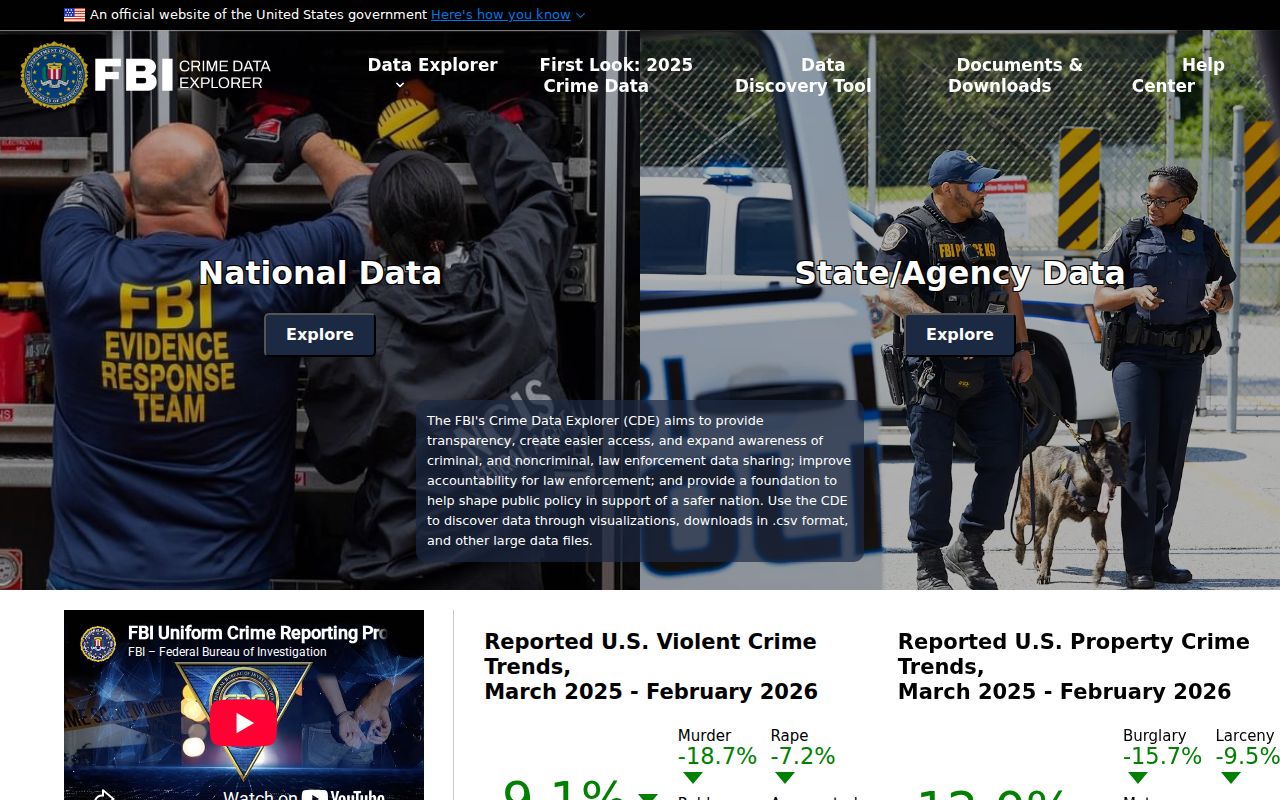
The federal source gives city context, but summary data does not identify a person, prove an arrest, or replace an individual record.
Nashville Population Context Source
The U.S. Census Population Estimates Program is the official source identified for comparing Howard County incorporated places. Research treats Nashville as the leading city and county seat, but it did not capture a current verified count. That gap should remain explicit instead of being filled with a private estimate.
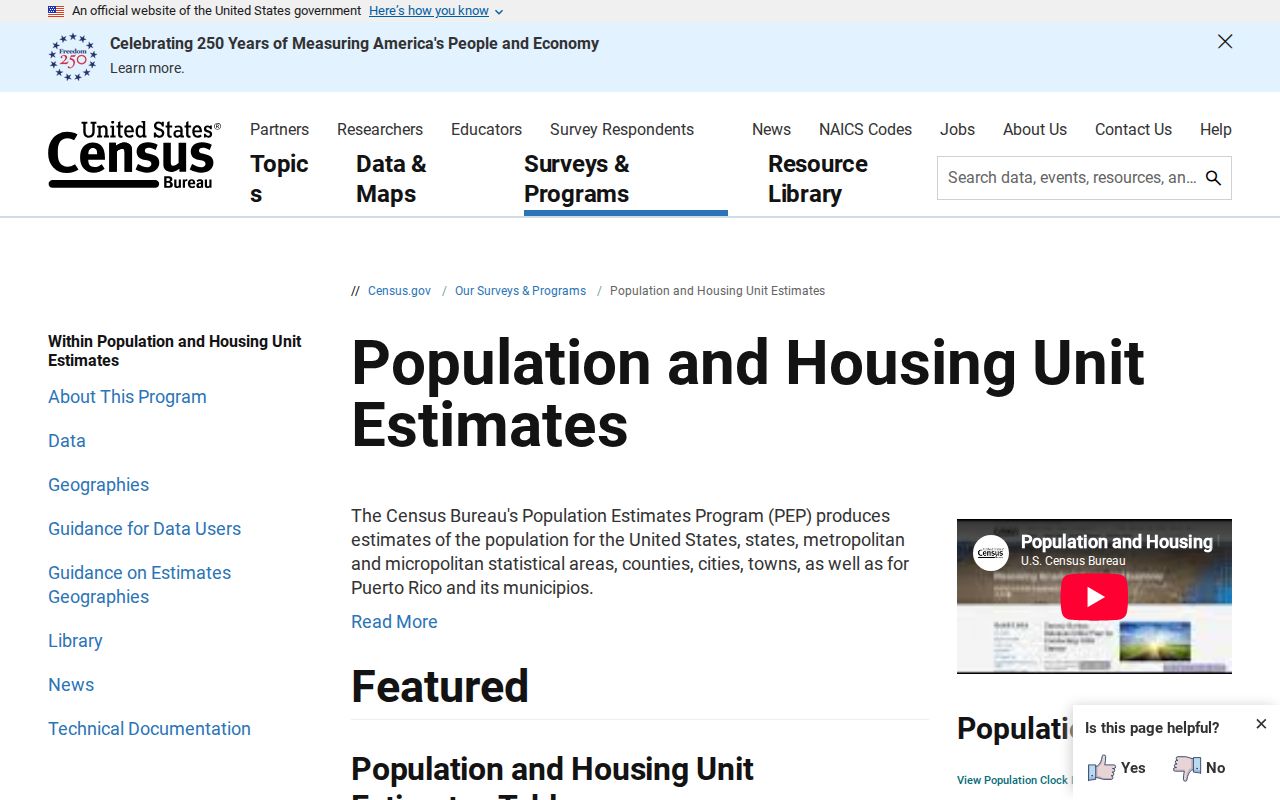
The Census source supplies local context without changing where a Nashville police report, booking, or case must be requested.
Public Access Rules
The Arkansas Freedom of Information Act generally supports access to public agency records unless an exemption applies. Nashville Police may release a responsive city record while redacting protected content. Administrative Order 19 separately governs court access. State criminal-history data follows Arkansas dissemination law rather than the city report process.
Key Statutes:
Arkansas Freedom of Information Act, Title 25, Chapter 19 - public records are generally open unless an exemption applies.
Ark. Code Ann. § 25-19-105 - governs inspection, copying, and exemptions.
Arkansas Judiciary Administrative Order 19 - sets court access and confidentiality rules.
Arkansas Code Title 12, Chapter 12 - controls state criminal-history dissemination.
Juvenile records, sealed cases, protected victim information, medical details, and active-investigation material may be restricted. Ask the custodian to state the basis for a denial or redaction. Arkansas record clearing is generally called sealing, and the order must reach each office that holds an affected record.
Public access also depends on record category. An adult court docket may be open while part of a police investigative file remains exempt. A released report may contain blacked-out identifiers even though the event itself is public. State repository information has its own dissemination limits. Keep a copy of the original request and the custodian's reply, then narrow or clarify the request if the first description was too broad. For court material, ask the clerk whether the missing item is sealed, restricted, stored outside the online range, or available only as a copy from the official file.